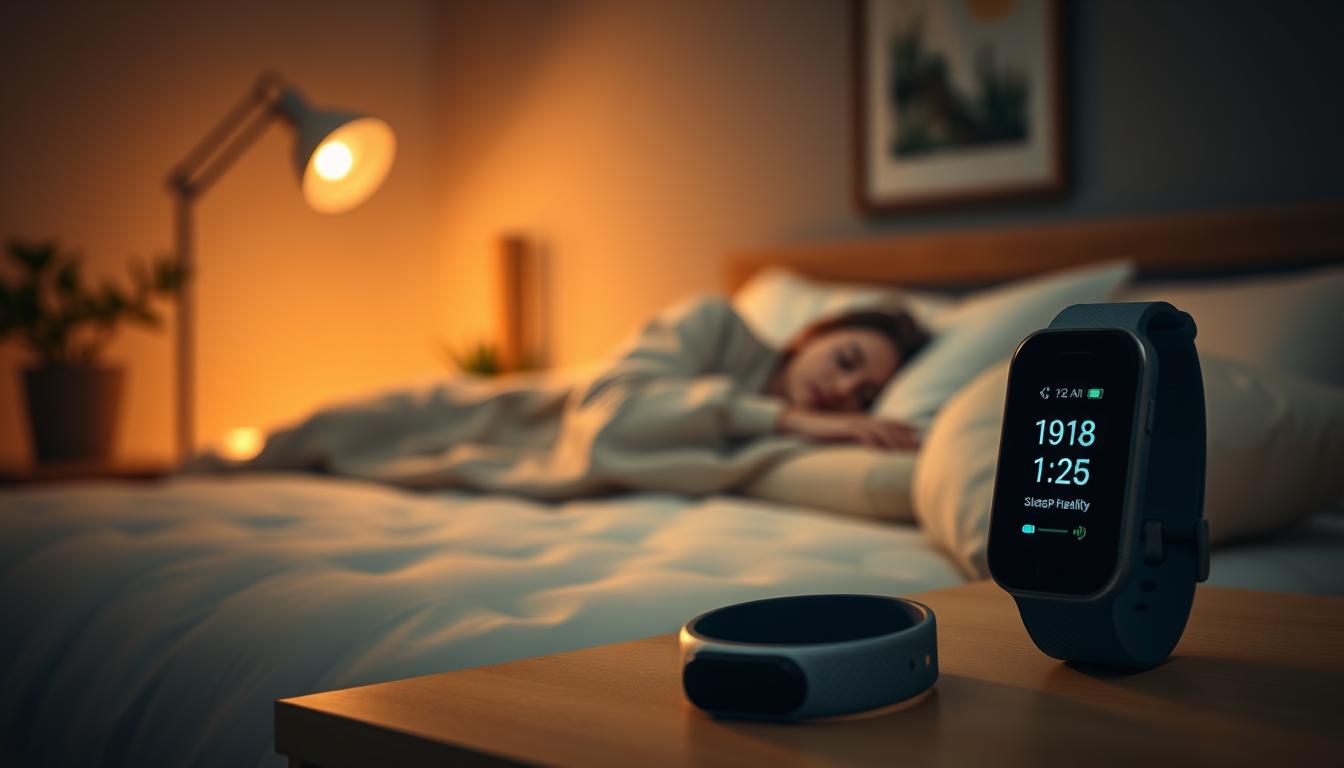
Sleep health is key to feeling good and staying healthy. It helps keep our bodies and minds in top shape.
How we sleep can tell us a lot about our health. When we sleep, our body fixes itself and gets ready for the next day. If our sleep is off, it might mean there’s something wrong.
Learning about the link between sleep health and our overall health is important. It helps us catch health issues early.
Key Takeaways
- Sleep health is closely linked to overall well-being.
- Disruptions in sleep patterns can indicate underlying health issues.
- Monitoring sleep health can help in early detection of health problems.
- Maintaining good sleep hygiene is essential for overall health.
- Poor sleep quality can have significant effects on physical and mental health.
The Science Behind Sleep and Health
Exploring the science of sleep shows its deep impact on our bodies. It’s not just a time to rest; it’s a key process for our health.
Sleep Cycles and Their Functions
Sleep has different cycles, each with its own role in healing. Knowing about these cycles helps us see how sleep affects our health.
REM vs. Non-REM Sleep
Sleep is split into REM and non-REM sleep. REM sleep is when we dream and our brains are active. Non-REM sleep helps our bodies recover. Understanding these types is key to seeing sleep’s role.
The Restorative Power of Deep Sleep
Deep sleep, a part of non-REM sleep, is vital for healing. It’s when our bodies fix tissues, build muscle, and boost the immune system. The restorative power of deep sleep keeps us healthy and fights off diseases.
How Sleep Affects Bodily Systems
Sleep greatly impacts our body’s systems, from our immune system to hormone balance. Getting enough sleep is essential for these systems to work right.
Immune Function and Sleep
Sleep is crucial for our immune system. Lack of sleep can make us more likely to get sick. But, enough sleep boosts our immune system, keeping us healthy.
Hormonal Balance and Sleep Quality
Our sleep quality affects hormone balance. Hormones that control hunger, growth, and stress are linked to sleep. Poor sleep can upset these balances, leading to health issues.
Decoding Your Sleep Patterns
Understanding your sleep can lead to better health. Knowing your sleep patterns helps spot health issues early.
Normal vs. Abnormal Sleep Patterns
Sleep patterns differ from person to person. Normal sleep usually means falling asleep in 15-30 minutes and sleeping 7-9 hours.
Abnormal sleep can be insomnia, sleep apnea, or restless leg syndrome. Spotting these patterns is key to fixing health problems.
Sleep Duration Indicators
Sleep time is crucial for health. Too much or too little sleep can harm your health.
Oversleeping and Health Concerns
Sleeping more than 9 hours can lead to diabetes, heart disease, and obesity. It might signal a health issue.
Undersleeping and Health Risks
Sleeping less than 7 hours can cause brain problems, mood issues, and a weak immune system. It’s a risk for many health problems.
Sleep Quality Markers
Good sleep quality is as important as sleep time. It means falling asleep fast, sleeping well, and feeling refreshed in the morning.
Experts say, “Sleep quality is not just about how long you sleep but how well you sleep.” A good night’s sleep boosts overall health.
| Sleep Pattern | Characteristics | Health Implications |
|---|---|---|
| Normal Sleep | 7-9 hours/night, falls asleep within 15-30 minutes | Optimal health and wellbeing |
| Oversleeping | More than 9 hours/night | Diabetes, cardiovascular disease, obesity |
| Undersleeping | Less than 7 hours/night | Impaired cognitive function, mood disorders, weakened immune system |
What Your Sleep Is Telling You About Your Health
Sleep is a window into our overall health. It shows us subtle signs of physical and mental well-being. During sleep, our body goes through many processes that can tell us about our health.
Physical Health Indicators in Sleep
Our sleep patterns can show us how our physical health is doing. Two key signs are breathing patterns and movement during sleep.
Breathing Patterns and Respiratory Health
Breathing patterns during sleep tell us a lot about our respiratory health. If we breathe abnormally, like pausing or struggling, it might mean we have sleep apnea. Sleep apnea can make our sleep poor and lower blood oxygen, affecting our health.
Movement During Sleep and Neurological Health
Movement during sleep also shows us about our neurological health. If we move a lot, like in restless leg syndrome, it could mean we have a neurological problem. These movements can mess up our sleep and harm our well-being.
Mental Health Signals in Sleep Patterns
Sleep patterns also show us about our mental health. The content of our dreams and when we sleep are key signs of mental health.
Dream Content and Psychological State
The content of our dreams can show our psychological state. Studies say dreams can mirror our unresolved issues, stress, or emotional struggles. Looking at our dreams can help us understand our mental health.
Sleep Timing and Mood Disorders
Sleep timing and our body’s natural rhythm affect mood disorders. If we don’t sleep well or at the right time, it can lead to depression or bipolar disorder. Knowing how to adjust our sleep can help manage these conditions.
Common Sleep Disorders and Their Health Implications
Sleep disorders affect millions worldwide and are a big health concern. They can change how well you sleep and affect your overall health.
There are several sleep disorders to know about, like insomnia, sleep apnea, and restless leg syndrome. Each has its own signs and health effects.
Insomnia and Chronic Health Conditions
Insomnia makes it hard to fall or stay asleep. It can lead to serious health problems like diabetes, high blood pressure, and obesity. Chronic insomnia can make these issues worse, creating a hard cycle to break.
If you have insomnia, see a doctor to find out why and get better sleep tips.
Sleep Apnea and Cardiovascular Health
Sleep apnea causes breathing to stop and start while you sleep. It’s linked to heart problems, like high blood pressure and heart disease. If not treated, it can cause serious health issues, so getting a diagnosis and treatment is key.
Knowing the signs of sleep apnea, like loud snoring and headaches in the morning, is important for getting the right medical help.
Restless Leg Syndrome and Neurological Health
Restless leg syndrome (RLS) makes you feel like you must move your legs, often because they feel uncomfortable. It can hurt your sleep and is linked to neurological diseases like Parkinson’s.
Dealing with RLS means making lifestyle changes and sometimes taking medicine to ease symptoms and help you sleep better.
How Chronic Health Conditions Affect Your Sleep
Chronic health conditions can really mess with your sleep. They create a cycle of health problems. People with these conditions often can’t sleep well, which makes their health worse.
Diabetes and Sleep Disruptions
Diabetes is a big problem for sleep. High blood sugar can wake you up all night. Low blood sugar can make you anxious and keep you awake.
Also, diabetes can cause nerve pain. This pain can make it hard to sleep well.
Heart Disease and Sleep Patterns
Heart disease also messes with sleep. Heart failure can make it hard to breathe when lying down. This can keep you awake.
Heart disease patients often have sleep apnea. This is when you stop breathing while you sleep. It really messes with your sleep.
Thyroid Disorders and Sleep Quality
Thyroid problems can also hurt your sleep. If your thyroid is too slow, you might feel tired and depressed. This can make it hard to sleep.
If your thyroid is too fast, you might feel too awake. This makes it hard to fall asleep.
| Chronic Condition | Sleep Impact | Common Symptoms |
|---|---|---|
| Diabetes | Frequent nighttime awakenings, nocturnal anxiety | High blood sugar, neuropathy |
| Heart Disease | Sleep disruptions, sleep apnea | Orthopnea, shortness of breath |
| Thyroid Disorders | Fatigue, depression, anxiety, hyperactivity | Hypothyroidism, hyperthyroidism |
It’s important to know how chronic health conditions affect sleep. By dealing with these conditions, you can improve your sleep. This can help your overall health too.
The Sleep-Mental Health Connection
Sleep and mental health are closely linked. Our sleep quality can greatly affect our mental well-being. At the same time, our mental health can impact how we sleep.
Mental health conditions like depression, anxiety, and stress can mess with our sleep. They can cause insomnia or make us sleep too much. It’s important to understand this to manage both sleep and mental health well.
Depression and Sleep Disturbances
Depression often leads to sleep problems, like insomnia or sleeping too much. People with depression might find it hard to fall asleep or wake up a lot. Sleep issues can make depression worse, creating a cycle.
Anxiety and Sleep Quality
Anxiety can really mess with our sleep. It makes us too alert, making it hard to fall or stay asleep. Anxiety also causes us to worry, which can disrupt our sleep even more.
Stress and Sleep Patterns
Stress can also affect our sleep. Chronic stress raises cortisol levels, a hormone that deals with stress. High cortisol levels can mess with our sleep-wake cycle.
Cortisol Levels and Sleep Disruption
Cortisol levels usually follow a natural rhythm, peaking in the morning and dropping at night. But, chronic stress can keep cortisol levels high at night, disrupting sleep.
Stress Management for Better Sleep
Managing stress can help improve sleep. Techniques like mindfulness, meditation, and relaxation can reduce stress and cortisol levels. This can lead to better sleep quality.
| Mental Health Condition | Impact on Sleep | Management Strategies |
|---|---|---|
| Depression | Insomnia or Hypersomnia | Cognitive Behavioral Therapy (CBT), Antidepressants |
| Anxiety | Poor Sleep Quality | Relaxation Techniques, CBT |
| Stress | Disrupted Sleep Patterns | Mindfulness, Meditation, Exercise |
Lifestyle Factors Impacting Your Sleep
Many lifestyle choices can affect how well you sleep. This can impact your health. By making some changes, you can sleep better.
Diet and Nutrition Effects
What you eat is key to good sleep. Eating foods like fruits, veggies, and whole grains can help.
Foods That Promote Sleep
Foods with tryptophan, like turkey and nuts, can help you sleep. Also, complex carbs like whole grain bread help make serotonin, which relaxes you.
Foods and Beverages to Avoid
Stay away from caffeine and alcohol at night. They can mess with your sleep. Also, eating big meals before bed can cause stomach issues.
Exercise and Physical Activity
Exercise is good for sleep, but do it early. Working out too close to bedtime can keep you awake.
Screen Time and Sleep Quality
Too much screen time, especially at night, hurts sleep. The blue light from screens can stop melatonin from working.
Blue Light Effects on Melatonin
Blue light can make it hard to fall asleep. Using glasses or apps that block blue light can help.
Digital Detox Strategies
Try a digital detox before bed. Turn off screens an hour before sleep. Instead, do relaxing things like reading or meditation.
| Lifestyle Factor | Impact on Sleep | Recommendation |
|---|---|---|
| Diet | A balanced diet promotes better sleep. | Eat tryptophan-rich foods and complex carbohydrates. |
| Exercise | Regular activity enhances sleep quality. | Schedule workouts earlier in the day. |
| Screen Time | Excessive screen time disrupts sleep. | Limit screen time before bed, use blue light filters. |
Optimizing Your Sleep for Better Health
Sleep is key to staying healthy. Creating the right sleep space, sticking to a sleep schedule, and using pre-sleep routines can make a big difference. These steps can greatly improve how well you sleep.
Creating an Ideal Sleep Environment
A good sleep space is essential for better sleep. It’s important to control the temperature, light, and sound to make it restful.
Temperature, Light, and Sound Control
Keep your bedroom cool, between 60-67°F, for better sleep. Darkness is also key; use blackout curtains or blinds. Also, reduce noise or use white noise machines for a quiet space.
Bedding and Mattress Considerations
A comfy mattress and bedding can greatly improve sleep. Pick a mattress that fits your sleep style. Use breathable bedding to keep your body cool.
Developing a Consistent Sleep Schedule
Having a regular sleep schedule helps your body’s internal clock. It makes falling and staying asleep easier. Staying consistent, even on weekends, can improve sleep quality.
Pre-Sleep Routines for Quality Rest
Relaxing before bed signals to your body that it’s time to sleep. Choose activities that help you relax and focus on mindfulness.
Relaxation Techniques
Try deep breathing, progressive muscle relaxation, or meditation to calm your mind and body before bed.
Mindfulness Practices for Sleep
Adding mindfulness, like mindful breathing or guided imagery, can help relax you. It prepares your body for restful sleep.
By using these tips, you can improve your sleep. This leads to better health and wellbeing.
Tracking Your Sleep: Tools and Techniques
To understand your sleep better, you can use sleep tracking devices, apps, and journals. These tools help spot sleep problems and boost your sleep quality.
Sleep Tracking Devices and Apps
Sleep tracking tech has grown a lot. Now, there are many devices and apps to watch your sleep. They give you info on how long you sleep, how well you sleep, and what stage you’re in.
Sleep Journals and Self-Monitoring
Keeping a sleep journal is also a good way to track your sleep. Writing down your sleep habits and how you feel when you wake up can give you clues about your sleep.
What to Record in Your Sleep Journal
In your sleep journal, write down when you go to bed and wake up. Also, note if you wake up during the night. How you feel when you wake up is important too.
Identifying Patterns and Triggers
Looking at your sleep journal can show you patterns and what might be affecting your sleep. This info can help you change your lifestyle to sleep better.
| Tool/Type | Description | Key Features |
|---|---|---|
| Wearable Sleep Monitors | Devices worn on the body to track sleep | Heart rate monitoring, movement tracking |
| Bedroom Sleep Tracking Systems | Systems placed in the bedroom to monitor sleep | Sleep stage tracking, heart rate monitoring |
| Sleep Journals | Manual recording of sleep patterns and habits | Identifying patterns, tracking sleep quality |

When to Seek Professional Help for Sleep Issues
Dealing with ongoing sleep problems often points to deeper health issues. It’s crucial to know when to look for professional help. Sleep is key to our health, and long-term sleep issues can harm both our bodies and minds.
Warning Signs That Require Medical Attention
Some signs clearly show you need medical attention. These include:
- Persistent insomnia or excessive sleepiness
- Difficulty breathing during sleep
- Restless leg syndrome or periodic limb movement disorder
- Unusual sleep behaviors, such as sleepwalking or night terrors
Types of Sleep Specialists and What They Offer
Many sleep specialists can help with sleep disorders. They include:
- Sleep medicine physicians
- Pulmonologists
- Psychologists specializing in sleep
Sleep Medicine Physicians
Sleep medicine physicians are experts in treating sleep disorders. They work in sleep clinics and can order sleep studies. This helps diagnose issues like sleep apnea.
Cognitive Behavioral Therapy for Insomnia
Cognitive Behavioral Therapy for Insomnia (CBT-I) is a non-medical way to tackle insomnia. It teaches new sleep habits and tackles the root causes of insomnia.
Conclusion: Taking Control of Your Sleep Health
It’s important to understand how sleep affects our health. Sleep patterns can show if we have physical or mental health issues. By knowing these signs and making smart choices, we can improve our sleep.
To sleep better, make your bedroom a sleep haven. Stick to a regular sleep schedule and avoid screens before bed. Also, watch what you eat, exercise, and limit screen time.
Improving sleep health is more than just treating sleep disorders. It’s about taking care of our overall wellbeing. By learning about sleep and its effects, we can make changes to sleep better. This, in turn, improves our health.